
When a caregiver is incarcerated, whether for a short time after arrest or a longer period before or after sentencing, their children are often deeply affected. The actions and decisions of lawyers, judges, and probation and pretrial services officers can significantly impact these children’s lives. To help reduce harm to a defendant’s minor children, it is essential that family relationships and caregiving responsibilities are evaluated, considered, and prioritized throughout the legal process.
The resources on this page offer support for advancing family-focused decision making at both the pretrial and sentencing stages of criminal legal proceedings.
CIC also offers continuing legal education courses and other informational roundtable discussion sessions for legal professionals who want to learn more about the impacts of parental incarceration, laws that encourage or require the consideration of family relationships in sentencing decisions, and the benefits of community-based alternatives. Past training partners include Criminal Justice Institute, Hennepin County Public Defender’s Office, Minnesota Association of Criminal Defense Lawyers, and United States District Court.
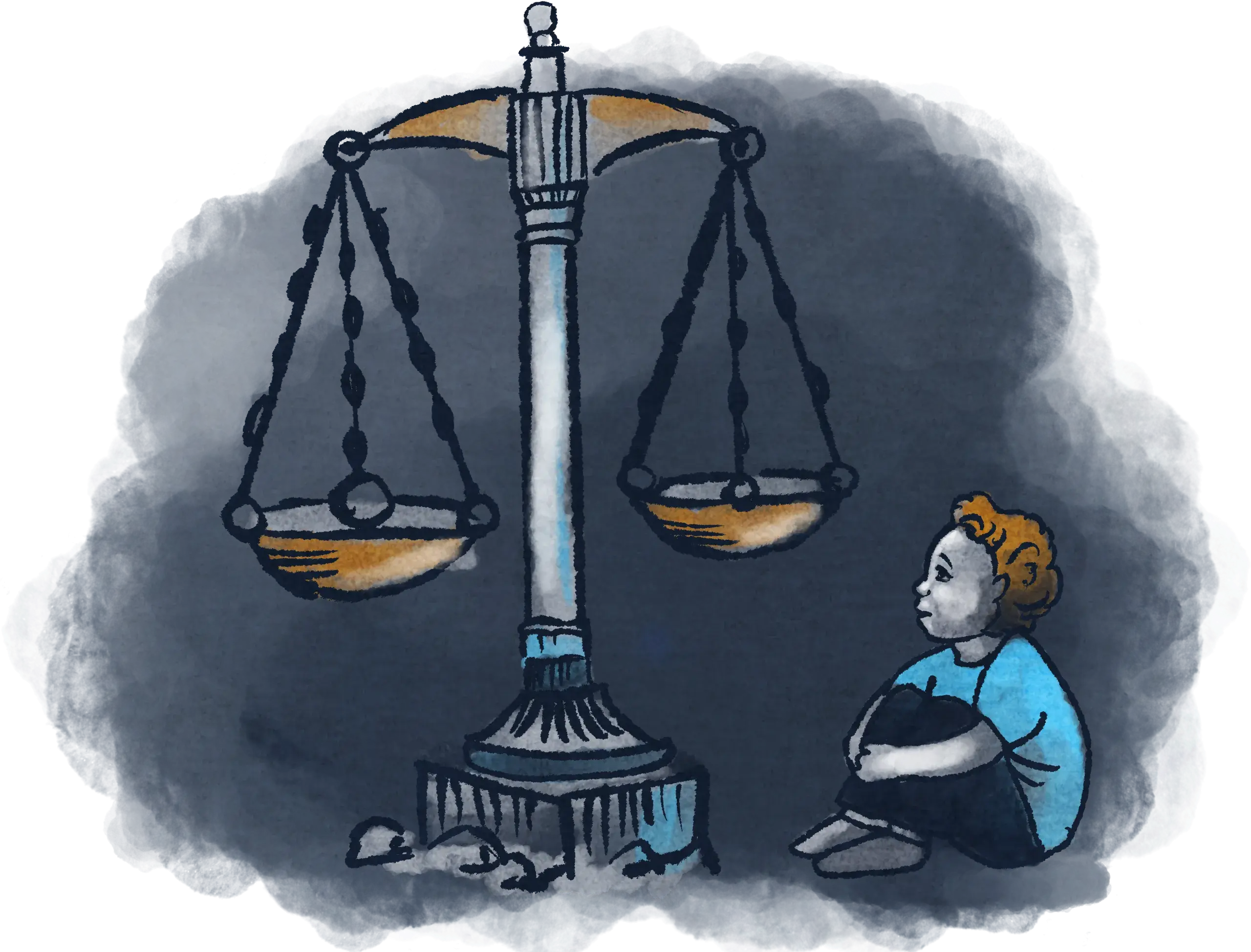
Child-Focused Advocacy at the Pretrial Stage
Decisions made during the pretrial stage, like whether to detain a person or the bail amount, can have significant consequences for both the outcome of a case and the well-being of the defendant’s children. Tools like family impact statements can help courts take family relationships and caregiving responsibilities into account when making these important decisions.
-
Child-Focused Pretrial Practices 2025
Less attention has been paid to the pretrial detention of parents and caregivers. This report identifies a handful of global programs and policies that seek to reduce parent-child separation during the pretrial stage. -
Family Impact Statements 2024
A parent's caregiving role and the impact of incarceration on their children are rarely considered at sentencing. This report examines how Family Impact Statements could address that gap during pretrial and sentencing proceedings.
Child-Focused Sentencing
A parent’s sentence is also a child’s sentence. Decisions about the type of sentence, length of sentence, and associated restrictions directly impact the defendant’s minor children. Lawyers are encouraged to utilize tools like family impact statements to provide judges with information about how their decisions will impact families and to incorporate relevant law into sentencing memoranda and arguments.
-
United States Sentencing Guidelines Comment 2026
CIC's submission to the U.S. Sentencing Commission, supporting consideration of family responsibility in sentencing decisions. The comment also advocated for broader recognition of caregivers’ roles and the impacts of parental incarceration. -
Family Impact Statements 2024
A parent's caregiving role and the impact of incarceration on their children are rarely considered at sentencing. This report examines how Family Impact Statements could address that gap during pretrial and sentencing proceedings. -
Mass Parental Incarceration and Sentencing Reform in Minnesota 2019
A law review article examining the impact of parental incarceration on children and communities, including a review of international, federal, and state laws and recommendations on sentencing caregivers. -
Families and Federal Sentencing (Episode 1)
In this episode, white-collar criminal defense attorney Dulce Foster discusses how family circumstances can influence federal sentencing. She explains how parent-child relationships may support sentencing variances and highlights key cases. -
Parental Incarceration and Human Rights (Episode 2)
In this episode, Barbara Frey, lawyer and Director of the University of Minnesota Human Rights Program, discusses parental incarceration as a human rights issue. She highlights international recommendations that emphasize considering children’s best interests when sentencing parents. -
Considering Collateral Consequences (Episode 3)
In this episode, Ethan Scrivner, Assistant City Attorney for Duluth, discusses restorative justice, prosecutorial roles, and community-based alternatives to parental incarceration. He explores strategies for addressing the impacts of incarceration during sentencing.
Alternatives to Incarceration
CIC tracks and researches laws, policies, and programs implemented across the United States that aim to allow eligible parents or caregivers of minor children to remain in the community in lieu of incarceration while awaiting the resolution of their case or as a sentencing alternative. These alternatives avoid parent-child separation and help mitigate the negative impacts of incarceration. Examples include use of family-focused probation, electronic home monitoring, residential facilities, and community-based programs. Existing and emerging programs and policies around the U.S. provide alternatives that keep caregivers in their community and maintain public safety. These programs typically provide resources to help meet defendants’ underlying needs, helping to stabilize families and reduce recidivism.
-
Nevada Family First Program 2025
Sunrise Health Clinics in Las Vegas received DOJ funding to support Family First, a family-based alternative sentencing program. This report examines the program and its services for families involved in the criminal legal system. -
Community-Based Solutions for Alternatives to Parental Incarceration in Oklahoma & Wisconsin 2023
The report examines community-based alternatives to maternal incarceration, focusing on ReMerge in Oklahoma City and the ARC Maternal and Infant Program in Madison. Both programs support mothers facing nonviolent charges through counseling, treatment, and family-centered services. -
Minnesota Healthy Start Act 2023
The Healthy Start Act allows pregnant women and new mothers serving short state prison sentences to be conditionally released through pregnancy and their child's first year, offering a first-of-its-kind alternative to parental incarceration. -
Oregon Family Sentencing Alternative Pilot Program 2023
Oregon’s Family Sentencing Alternative Pilot Program offers a family-centered alternative to incarceration for eligible caregivers. This report explores the program’s outcomes and impact on families. -
Illinois Children’s Best Interest Act 2024
Illinois’s Children’s Best Interest Act requires courts to consider family impacts at sentencing and allows family impact statements. This report examines its implementation and challenges. -
Washington Parenting Sentencing Alternative 2025
Washington’s Parenting Sentencing Alternative reduces incarceration costs and reunifies children with parents. This report examines the development, implementation, and impact of its two programs. -
Texas Baby and Mother Bonding Initiative 2025
Texas created BAMBI in 2007 as a pioneering out-of-prison nursery program. This report examines its development and implementation to support incarcerated mothers and newborns. -
Alabama Dallas County Family Preservation Program 2025
In Selma, Alabama, the Dallas County Family Preservation Program provides a family-centered diversion alternative to incarceration for parents. This report examines the program’s development, structure, and outcomes. -
Considering Collateral Consequences (Episode 3)
In this episode, Ethan Scrivner, Assistant City Attorney for Duluth, discusses restorative justice, prosecutorial roles, and community-based alternatives to parental incarceration. He explores strategies for addressing the impacts of incarceration during sentencing. -
Massachusetts Primary Caretakers Legislation 2024
Massachusetts’s Primary Caretakers Statute allows eligible caregivers to seek community-based sentences instead of incarceration. This report explores the law’s implementation and impact on reducing family separation. -
California Primary Caregiver Diversion 2023
San Francisco’s Primary Caregiver Diversion Program provides an alternative to incarceration for eligible parents. This report explores the program’s development and implementation.